




What Is Rock Salt? Uses and Winter Gritting
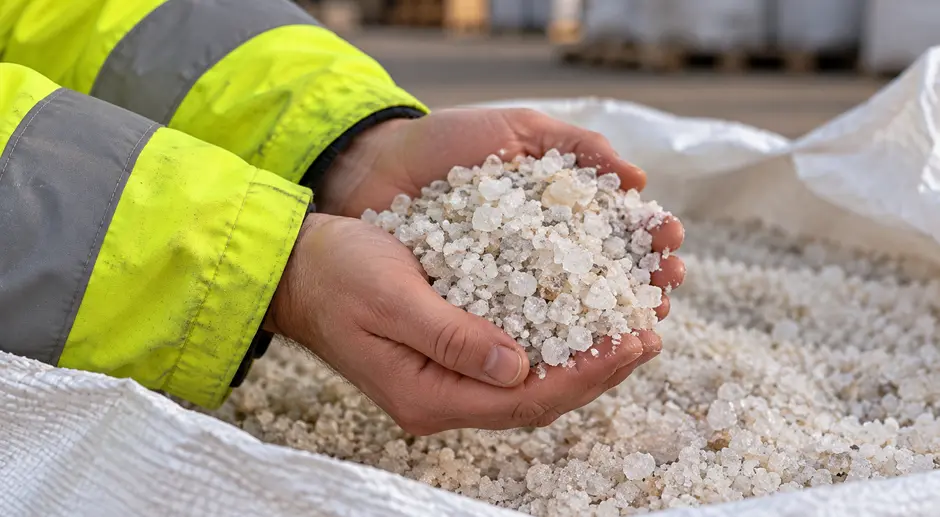
Rock salt is a naturally occurring form of sodium chloride used to help prevent and melt ice on outdoor surfaces. In winter, it is spread on paths, pavements, driveways and other areas where ice could make walking or driving difficult. It works by forming salty water, or brine, which freezes at a lower temperature than plain water.
What is rock salt made of?
Rock salt is made primarily of the mineral halite, a crystalline form of sodium chloride (NaCl). Natural rock salt can contain other minerals that affect its colour and appearance. It is sold as crystals or granules suitable for spreading over outdoor surfaces.
Although sodium chloride is also found in food salt, salt sold for winter de-icing should be used for its stated outdoor purpose. Do not assume a de-icing product is food grade.
Where does rock salt come from?
Rock salt forms when salty water evaporates and leaves salt deposits behind. Over geological time, some deposits become buried beneath layers of rock. They can then be mined, crushed and prepared for use as de-icing salt.
Not every white de-icing salt is mined from an underground deposit. Some white salt is produced by evaporating seawater. If the source matters to you, check the description of the particular product rather than relying on its colour.
How does rock salt melt ice?
Rock salt begins to dissolve when it comes into contact with moisture on an icy surface. This creates brine, which has a lower freezing point than plain water. The brine helps loosen and melt existing ice and can make it harder for new ice to form.
Salt is less effective in very cold conditions, and it may take time to act on a thick layer of ice. Heavy rain can also wash it away. Clearing loose snow first gives salt a better chance to reach the surface beneath it.
What is rock salt used for in winter?
Rock salt is commonly used to treat icy paths, pavements, driveways, steps and car parks. It can be spread before a forecast frost or used to help deal with ice that has already formed.
It is useful for de-icing, but it is not a substitute for clearing deep or compacted snow. If snow has settled, remove what you safely can before treating the remaining icy surface. A snow shovel can help with that first step.
Rock salt versus grit: what is the difference?
People often call winter road salt “grit”, but salt and non-salt grit do different jobs. Salt helps melt ice, while sand or stone grit mainly gives feet and tyres more traction.
| Material | Main purpose | How it works |
|---|---|---|
| Rock salt | De-icing | Dissolves into brine, which helps melt ice and reduce refreezing. |
| Sand or stone grit | Traction | Adds a rough layer to improve grip but does not melt ice in the same way. |
Some winter treatments combine salt with another material. Check what a product contains and follow its instructions before use.
What is the difference between brown and white rock salt?
Both brown and white de-icing salt are used to treat winter ice. Brown salt is more visible after spreading, while white salt is often chosen where a less noticeable appearance is preferred. Their source, granule size and other specifications depend on the product.
For more detail about each type, read our brown rock salt guide and white rock salt guide. If you are choosing a product, see the current brown rock salt and white rock salt listings for the available options and specifications.
When and how should you apply rock salt?
Rock salt can be applied when frost or ice is forecast, or to an area that has already become icy. If snow has fallen, clear a safe route first so the salt can reach the surface below.
- Check that the surface and the salt product are suitable for each other.
- Remove loose snow where it is safe to do so.
- Spread the salt evenly across the area you need to treat, following the product instructions.
- Pay attention to places where people are more likely to slip, such as steps and sloping paths.
- Check the area again if conditions change or the treatment is washed away.
Do not pour water over snow or ice to clear it: the water may freeze and make the surface more slippery.
What precautions should you take?
Check the suitability of delicate paving, stone, metal fittings and other nearby materials before applying salt. Avoid spreading more than needed, particularly beside lawns, planting beds and waterways, where salty runoff may cause problems.
Rock salt and grit can irritate a dog’s paws. Keep pets away from stored salt, and check and clean their paws after walks on treated surfaces. If you think a pet has eaten de-icing salt or is unwell, contact a vet.
How should you store rock salt?
Keep rock salt covered and dry, ideally in a suitable sealed container or covered grit bin. This helps prevent moisture from causing the granules to clump and keeps the salt ready for the next spell of icy weather. Store it where children and pets cannot access it.
Frequently asked questions about rock salt
Is rock salt the same as grit?
Not exactly. “Gritting” often means spreading de-icing salt, but non-salt grit such as sand or small stone mainly improves traction. Rock salt helps melt ice by forming brine.
Does rock salt work on a driveway?
Rock salt can help treat ice on a suitable driveway. Check the driveway material and the salt product’s instructions before use, and clear loose snow first where practical.
Does rock salt melt snow as well as ice?
It can help melt a thin layer of snow, but thick snow is better cleared first. Salt can then reach the surface underneath and help deal with remaining ice.
Is rock salt bad for dogs?
De-icing salt may irritate paws, and pets should not be allowed to eat it. Check and clean paws after contact with treated surfaces, and seek veterinary advice if a pet may have swallowed salt or seems unwell.
Can rock salt harm plants?
Salt and salty runoff may damage nearby grass and plants. Apply it carefully and avoid spreading it into planting areas.
Choosing salt for winter conditions
Understanding how rock salt works can help you decide when to clear snow, when to treat ice and whether salt or a traction material is appropriate. If you need de-icing salt for a path, driveway or larger outdoor area, explore GravelMaster’s winter salt and fuel range and check the individual product details before ordering.